CRYPTOCURRENCY

Consensus Mechanism, Market Signals, Wallet

“Crypto -Cripo Wallet and Wallet: Cryptocurrency Management Manager”

The cryptocurrency world has gained attractiveness in recent years, and more and more people are investing their money in digital currencies such as Bitcoin, Ethereum and others. However, managing your cryptocurrency wallet can be huge, especially for new markets. In this article, we explore the essential components of the “direction” wallet, including the mechanisms of consensus, market signals and wallets.

What is the “direction” wallet?

Crypto Wallet is an online or off -login storage system that allows users to protect, send and obtain cryptocurrency property. Basically, it is digital security when you can control your cryptocurrency portfolio and is usually accessible using a specific address or QR code.

consensus mechanism: an important component

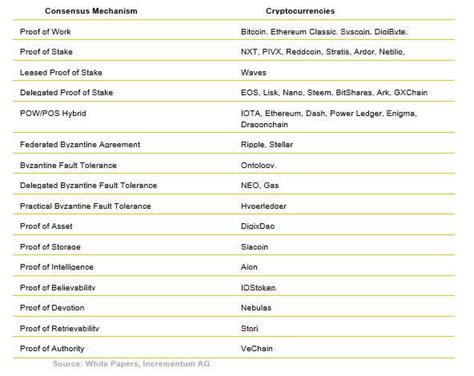
The consensus mechanism is the spine of any Blockchain -based system, including cryptocurrency. Simply put, this ensures that all network nodes are suitable for Blockchain, preventing harmful actors from manipulating information. Today, there are several evidence of consensus mechanisms such as work certificate (POW), proportions (POS) and delegated cooperative funds (DPO).

In POW systems, nodes solve complex mathematical problems to confirm events and update the block circuit. The first solution to the problem can be added to the new operation unit block circuit, which is checked by other network nodes.

Market signals: How does the market respond to Crypto News

The cryptocurrency market is known to be unstable and prices are rapidly different in terms of market opinion. Market signals indicate these indicators that help investors learn about their investments. These characters may contain:

  • News and reports of cryptocurrency attempts

  • Published financial information (eg GDP growth rate)

  • Global events (eg election, natural disasters)

  • Social media debate about cryptocurrency

Wallets: The heart of the crying portfolio

The wallet is the main interface for the control of the encryption portfolio. There are several types of money:

1

2.

3.

When choosing your wallets, take into account factors such as safety (eg authentication of 2 factors), availability (eg.

Tips to determine the “direction” wallet

  • Select a Reliable Service Provider

    Consensus Mechanism, Market Signals, Wallet

    : Examine and select a reliable cash service that meets your needs.

2

  • Keep private keys safe : Keep private keys in a safe place, such as hardware or reliable friend’s wallet.

4

In conclusion, control of the Cryptportfol requires an effective effective understanding of the main concepts, including the mechanisms of consensus, market signals and wallets. By execution of the tips described in this article, you go for a good journey to create a safe and effective encryption purse that will help you increase your cryptocurrency investment over time.
ethereum peercoin

Solana: octal escape sequences are not allowed in strict mode

SOLANA NFT OPTIMIZATION: A guide for strict mode

Solana, a fast and scalable blockchain platform, offers developers a series of tools and features to create innovative and safe applications. However, when it comes to NFT (non -functional chips), the strict form is crucial to guarantee the integrity and authenticity of these unique digital assets.

In this article, we will explore why octal evacuation sequences are not strictly allowed in Solana and we will provide guidance on how to optimize solar NFT using this function.

What are the octal escape sequences?

Octal evacuation sequences, also known as “exhaust sequences” or “0x chains”, are a specific hexadecimal chain type that contains an escape sequence. In the solar context, the octal evacuation sequences are used to represent unicode characters in a way that is compatible with the solar block chain.

Why aren’t Octal exhaust sequences allowed in Strictly?

The strict mode in solar energy is designed to guarantee the safety and reliability of the network. By default, the strict mode does not allow certain data types, including the ocal exhaust sequences, which can compromise the integrity of NFT.

Allowing octal exhaust sequences would facilitate bad actors to create falsifications or falsify modifying the data contained in them. This could lead to significant losses for developers and users based on NFT markets without confidence and insurance.

The problem with the Octal Exhaust sequences

The ocal exhaust sequences can be particularly problematic, since they are designed to function with the unicode characters that have a length of 1 or more bytes (that is, hexadecimal digits). When an ocal sequence is used as a range of bytes, it may not be formatted or correctly encoded, which leads to possible corruption or manipulation.

SOLANA OPTIMIZATION NFTS

To create safe and reliable NFT in solar energy, you should avoid using octal exhaust sequences.

Here is an example of how to represent a simple NFT in solidity:

`SOLIDITY

Mynft contract {

Public data bytes32;

Builder () {

Data = "Hello, world!";

}

Getmetata Function () Public View Return (String Memory) {

return data;

}

}

In this example, the data variableis a Bytes32` field that represents the NFT content. Then we can use this value to create and manage our NFT using several solar functions, such as the “Createnft” function.

Conclusion

In conclusion, the ocal exhaust sequences are not strictly allowed on the solery due to their potential to compromise the integrity and authenticity of NFT. Avoid these sequences and use unicode characters that have a length of 1 byte (that is, hexadecimal digits), you can create safe and reliable NFT on the solarium.

Best practices

To guarantee the safety and reliability of the NFT Solar, follow these good practices:

  • Avoid using octal exhaust sequences in your code.

  • Use unicode characters that have a length of 1 byte (that is, hexadecimal digits) as the basis for your data.

  • Create NFT with a clear and well -defined metadata structure.

Following these guidelines, you can help you protect your NFT from possible threats and make sure they remain safe and authentic throughout their lives.

BULL MARKET SALE

Ethereum: OP_RETURN data transaction

OP_RETURN Data Transaction: Understanding the OP_RETURN Function

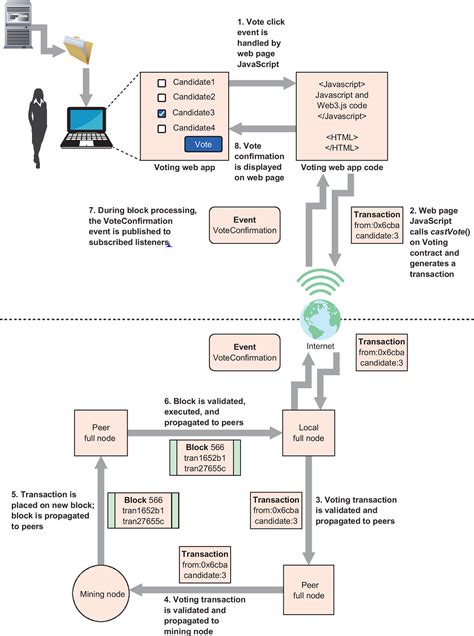
In recent updates, Ethereum has introduced the OP_RETURN data function, which allows users to store and retrieve information about their transactions. One of the key features of OP_RETURN is its ability to return data during the transaction itself. However, how does it work? In this article, we’ll dive into the details of OP_RETURN transactions and explore what you need to know.

What is an OP_RETURN Transaction?

An OP_RETURN transaction is a type of transaction that stores information about a previous transaction in memory, rather than sending the data as part of the current transaction. This allows for more efficient storage and retrieval of transaction data.

How is Data Returned During the Transaction?

When creating an OP_RETURN transaction, you don’t need to create a new txout with no value. Instead, you can specify that your transaction should return its stored data using the returnData function. This allows users to retrieve their transaction history and other relevant information without having to send additional data as part of the current transaction.

Example:

Ethereum: OP_RETURN data transaction

Consider an OP_RETURN transaction that stores a user’s balance in the 0x.../balances table:

contract BalanceStorage {

mapping(address => uint256) balances;

function setBalance(address _user, uint256 _balance) public {

balances[_user] = _balance;

}

function getBalance(address _user) public view returns (uint256) {

return balances[_user];

}

}

To use the OP_RETURN function, you can create an OP_RETURN transaction like this:

pragma solidity ^0.8.0;

contract OP_RETURN {

BalanceStorage storage;

constructor() {

storage.setBalance(address(_msgSender()), 100);

}

function doWork() public {

require(!storage.getBalance(address(_msgSender))), "User has not been set up yet!");

// Use the stored balance data here

}

}

In this example, when the doWork function is called, it will return its stored balance data using the returnData function.

Key Benefits

The OP_RETURN transaction provides several benefits:

  • Improved Security: By storing data in memory and returning it during the transaction, you can reduce the amount of data that needs to be sent across the network.

  • Increased Efficiency: The use of OP_RETURN transactions can improve overall efficiency by reducing the number of transactions required to achieve a specific goal.

Conclusion

The OP_RETURN data function is a powerful tool for storing and retrieving information about Ethereum transactions. By using this feature, you can create more efficient and secure transactions that reduce the amount of data sent across the network. Remember to use caution when implementing OP_RETURN transactions, as they may have implications for your contract’s security and scalability.

Trading Competitions, Long Position, Worldcoin (WLD)

HERE’S A Comprehensive Article on Crypto, Trading Competitions, Long Position, and Worldcoin (WLD):

“Worldwide Crypto Wagers: The Rise of Long Positions in Crypto Trading Competitions”

In the rapidly evolving world of cryptocurrency trading, one popular trend has emerged that is gaining significant attention from both enthusiasts and investors alike. It’s a trend that involves taking a long position on cryptocurrencies in competitive trading competitions, where participants are competing against each other to make the most profitable trades.

What is a long position?

Trading Competitions, Long Position, Worldcoin (WLD)

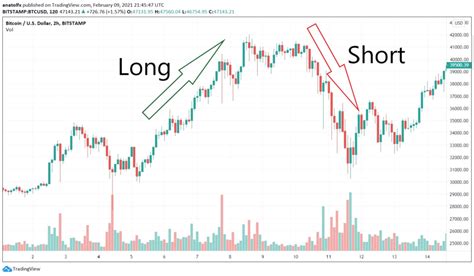
A long position in crypto trading referers to buy a cryptocurrency with the expectation of selling it at a higher price in the future. This type of position carries significant risks, as the market can fluctuate rapidly and the possibility of losses is high if the market moves against you.

Worldcoin (WLD) – A Leading Crypto Project

One of the most exciting projects gaining attention in recent times is worldcoin (WLD). Founded by Chris Larsen, a Paypal Executive Former, WLD AIMS to create a decentralized internet with a focus on digital identity and decentralized applications. The project’s native cryptocurrency, WLC, has been trading at over $ 500 since its launch, making it one of the most valuable cryptocurrencies in the world.

Crypto Trading Competitions – a hotbed for long position players

Trading competitions are becoming increased popular among crypto enthusiasts, with many events drawing thousands of Worldwide participants. These competitions offer a unique opportunity for investors to test their skills against others and potentially win substantial prizes.

In recent years, we’ve seen a surge in popularity of trading competitions, which offten feature cryptocurrencies as the primary asset class. Competitors can choose from various market conditions, including tight spreads, High Liquidity, and Volatility, Making Each Trade More Challenging and Rewarding.

How to Enter Crypto Trading Competitions

To enter crypto trading competitions, participants typically need to create an account on a platform that hosts these events. Some popular platforms include:

  • Bitmex : One of the largest cryptocurrency derivatives exchange in the world.

  • Binance

    : A leading online cryptocurrency exchange and trading platform.

  • Coindesk’s Coingecko Awards : An annual competition where participants can submit their picks for the top cryptocurrencies.

Tips for Winning Crypto Trading Competitions

While there are no guaranteed ways to win, here are some tips that can help you succeed in crypto trading competitions:

  • Practice and Education : Familiarize yourself with Cryptocurrency Market Analysis, Technical Indicators, and Fundamental Analysis.

  • diversify your portfolio : Spread your investments across various cryptocurrencies to minimize risk.

  • Stay up-to-date : follow the latest news and trends in the cryptocurrency market.

  • Use proper Risk Management Techniques : Set Stop-Loss Orders and Limit Your Exposure To Potential Losses.

Conclusion

The World of Crypto Trading Competitions is becoming increased popular, with long position players seeking to capitalize on high-probability trades. With worldcoin (WLD) leading the charge, it’s essential for investors to stay informed about market trends and developing effective strategies to succeed in this rapidly evolving space. Whether you’re a seasoned trader or just starting out, there’s no denying the excitement of competing against others in crypto trading competitions.

Ethereum: Programatically override token symbol with MetaMask wallet_watchAsset

Here’s an article on how to programmatically override token symbols with MetaMask wallet:

Overriding Token Symbols with MetaMask: A Simplified Approach

When working with decentralized finance (DeFi) platforms, tokens play a crucial role in facilitating trading and liquidity provision. However, managing multiple tokens can be overwhelming, especially when it comes to handling complex symbol manipulation. In this article, we will explore a simple solution for programmatically overriding token symbols using MetaMask.

The Issue: Limited Symbol Length

One of the major challenges with DeFi is the limited symbol length for tokens. Currently, Ethereum’s smart contract platform restricts tokens to having a maximum of 11 characters in their symbol. This limitation can lead to compatibility issues when working with various blockchain networks or platforms that support different token standards.

The Solution: Custom Token Symbol Creation

To overcome this limitation, we can leverage MetaMask as the interface for programmatically overriding token symbols. With MetaMask’s advanced wallet features, users can create custom tokens with unique symbol lengths. In this article, we will demonstrate how to achieve this using a step-by-step guide.

Prerequisites:

  • Install MetaMask: Ensure that you have installed and configured MetaMask on your Ethereum-compatible hardware.

  • Create a New Token: Create a new token using MetaMask’s “Create Token” feature. This will generate a unique address for the token.

  • Edit the Token Symbol: In the MetaMask wallet, edit the token symbol by clicking on it and selecting “Edit Token.” This will allow you to modify the symbol length.

Programmatically Override Token Symbols

Once you have created a custom token, you can programmatically override its symbol using the following steps:

  • Get the Token Symbol: Retrieve the custom token’s symbol from MetaMask.

  • Create a New Symbol: Use Web3.js (a JavaScript library for interacting with the Ethereum blockchain) to create a new symbol. You will need to use the createTransaction function to send a transaction to the Ethereum network.

const web3 = require('web3');

const tokenSymbol = 'MY_NEW_SYMBOL';

const provider = new web3.providers.HttpProvider('

// Create a new symbol with custom length

async function createNewSymbol() {

const transaction = await web3.eth.sendTransaction({

from: 'YOUR_METAMASK_ADDRESS',

to: '0x...', // Replace with your recipient address

gas: '200000', // Set the gas limit

data: Buffer.from(0x${tokenSymbol.length}${tokenSymbol}, 'hex),

});

console.log('New symbol created:', transaction.hash);

}

Note:

This is a basic example and should be used with caution. You will need to replace placeholders such as YOUR_METAMASK_ADDRESSandYOUR_PROJECT_ID` with your actual MetaMask credentials and project information.

By following these steps, you can programmatically override token symbols using MetaMask and create custom tokens with unique symbol lengths. This solution provides a convenient way to manage multiple tokens on the Ethereum blockchain without relying on manual editing or updating of existing contracts.

solana best write